
Sheets | Bedding
-
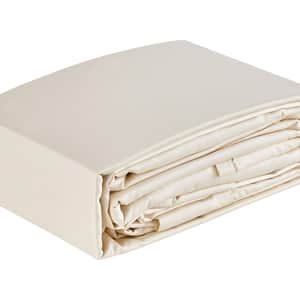 Sleep and Beyond mySheet Set
$115.00
Select options
This product has multiple variants. The options may be chosen on the product page
Sleep and Beyond mySheet Set
$115.00
Select options
This product has multiple variants. The options may be chosen on the product page
-
20% off Through 06/08
 Naturepedic Organic Cotton Sateen Sheet Sets
Original price was: $219.00.$175.20Current price is: $175.20.
Select options
This product has multiple variants. The options may be chosen on the product page
Naturepedic Organic Cotton Sateen Sheet Sets
Original price was: $219.00.$175.20Current price is: $175.20.
Select options
This product has multiple variants. The options may be chosen on the product page
-
20% off Through 06/08
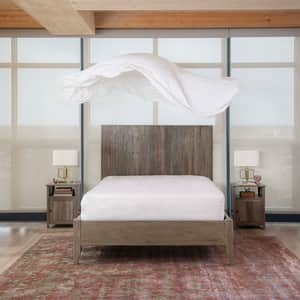 Naturepedic Organic Linen Sheets
Original price was: $499.00.$399.20Current price is: $399.20.
View
This product has multiple variants. The options may be chosen on the product page
Naturepedic Organic Linen Sheets
Original price was: $499.00.$399.20Current price is: $399.20.
View
This product has multiple variants. The options may be chosen on the product page
-
20% off Through 06/08
 Naturepedic Organic Supima Cotton Sheet Sets
Original price was: $699.00.$559.20Current price is: $559.20.
Select options
This product has multiple variants. The options may be chosen on the product page
Naturepedic Organic Supima Cotton Sheet Sets
Original price was: $699.00.$559.20Current price is: $559.20.
Select options
This product has multiple variants. The options may be chosen on the product page
-
 BOVI Angele Sheet Set
$459.00
Select options
This product has multiple variants. The options may be chosen on the product page
BOVI Angele Sheet Set
$459.00
Select options
This product has multiple variants. The options may be chosen on the product page
-
 BOVI Olivia Sheet Set
$531.00
Select options
This product has multiple variants. The options may be chosen on the product page
BOVI Olivia Sheet Set
$531.00
Select options
This product has multiple variants. The options may be chosen on the product page
-
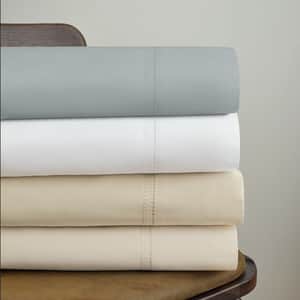 BOVI Simply Sateen Sheet Set
$384.00
Select options
This product has multiple variants. The options may be chosen on the product page
BOVI Simply Sateen Sheet Set
$384.00
Select options
This product has multiple variants. The options may be chosen on the product page
-
 BOVI Estate Sheet Set
$434.00
Select options
This product has multiple variants. The options may be chosen on the product page
BOVI Estate Sheet Set
$434.00
Select options
This product has multiple variants. The options may be chosen on the product page
-
 BOVI Herron Sheet Set
$461.00
Select options
This product has multiple variants. The options may be chosen on the product page
BOVI Herron Sheet Set
$461.00
Select options
This product has multiple variants. The options may be chosen on the product page
-
 BOVI Simply Percale Sheet Set
$389.00
Select options
This product has multiple variants. The options may be chosen on the product page
BOVI Simply Percale Sheet Set
$389.00
Select options
This product has multiple variants. The options may be chosen on the product page
-
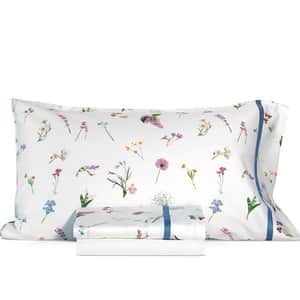 Brezza Sheet Set
Starts at $750.00
Select options
This product has multiple variants. The options may be chosen on the product page
Brezza Sheet Set
Starts at $750.00
Select options
This product has multiple variants. The options may be chosen on the product page
-
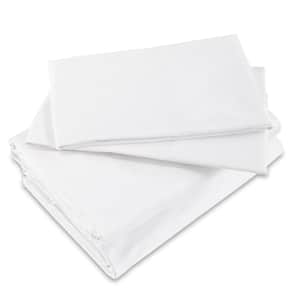 Nuvola Lineare Sateen Sheet Set
Starts at $895.00
Select options
This product has multiple variants. The options may be chosen on the product page
Nuvola Lineare Sateen Sheet Set
Starts at $895.00
Select options
This product has multiple variants. The options may be chosen on the product page
-
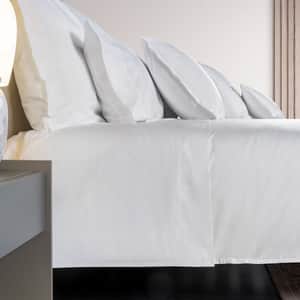 Nuvola Lineare Sateen Flat Sheet
Starts at $415.00
Select options
This product has multiple variants. The options may be chosen on the product page
Nuvola Lineare Sateen Flat Sheet
Starts at $415.00
Select options
This product has multiple variants. The options may be chosen on the product page
-
Nuvola Lineare Percale Sheet Set
Starts at $1,145.00
Select options
This product has multiple variants. The options may be chosen on the product page
-
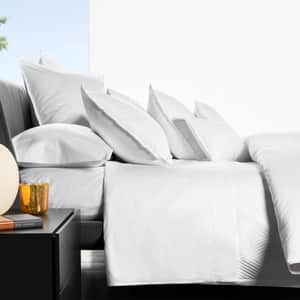 Nuvola Lineare Percale Flat Sheet
Starts at $415.00
Select options
This product has multiple variants. The options may be chosen on the product page
Nuvola Lineare Percale Flat Sheet
Starts at $415.00
Select options
This product has multiple variants. The options may be chosen on the product page
-
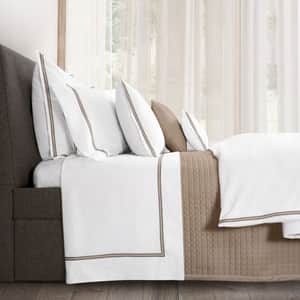 Mylos Flat Sheet
Starts at $285.00
Select options
This product has multiple variants. The options may be chosen on the product page
Mylos Flat Sheet
Starts at $285.00
Select options
This product has multiple variants. The options may be chosen on the product page
-
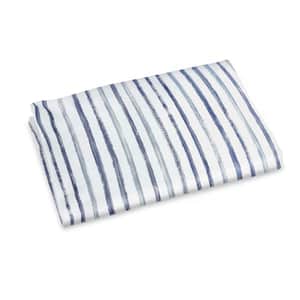 Rigato Fitted Sheet
Starts at $340.00
Select options
This product has multiple variants. The options may be chosen on the product page
Rigato Fitted Sheet
Starts at $340.00
Select options
This product has multiple variants. The options may be chosen on the product page
-
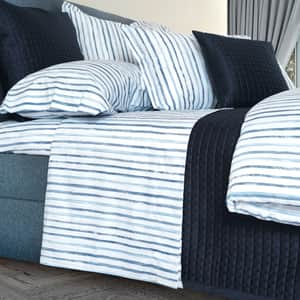 Rigato Flat Sheet
Starts at $345.00
Select options
This product has multiple variants. The options may be chosen on the product page
Rigato Flat Sheet
Starts at $345.00
Select options
This product has multiple variants. The options may be chosen on the product page
-
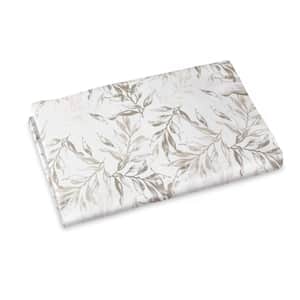 Natura Fitted Sheet
Starts at $340.00
Select options
This product has multiple variants. The options may be chosen on the product page
Natura Fitted Sheet
Starts at $340.00
Select options
This product has multiple variants. The options may be chosen on the product page
-
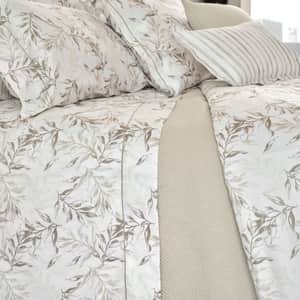 Natura Flat Sheet
Starts at $340.00
Select options
This product has multiple variants. The options may be chosen on the product page
Natura Flat Sheet
Starts at $340.00
Select options
This product has multiple variants. The options may be chosen on the product page
-
 Pegaso Flat Sheet
Starts at $345.00
Select options
This product has multiple variants. The options may be chosen on the product page
Pegaso Flat Sheet
Starts at $345.00
Select options
This product has multiple variants. The options may be chosen on the product page
-
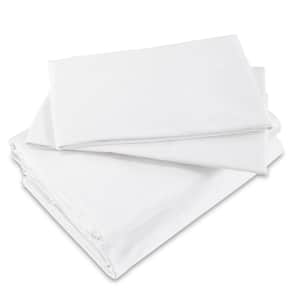 Lineare Sateen Sheet Set
Starts at $735.00
Select options
This product has multiple variants. The options may be chosen on the product page
Lineare Sateen Sheet Set
Starts at $735.00
Select options
This product has multiple variants. The options may be chosen on the product page
-
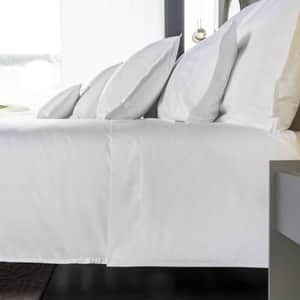 Lineare Sateen Flat Sheet
Starts at $285.00
Select options
This product has multiple variants. The options may be chosen on the product page
Lineare Sateen Flat Sheet
Starts at $285.00
Select options
This product has multiple variants. The options may be chosen on the product page
-
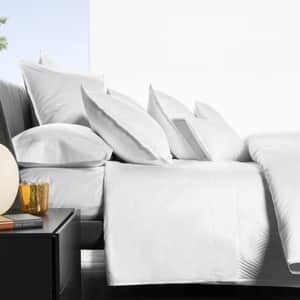 Lineare Percale Flat Sheet
Starts at $285.00
Select options
This product has multiple variants. The options may be chosen on the product page
Lineare Percale Flat Sheet
Starts at $285.00
Select options
This product has multiple variants. The options may be chosen on the product page
-
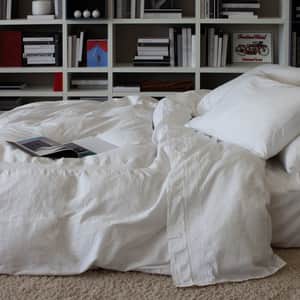 Viola Lace Flat Sheet
Starts at $365.00
Select options
This product has multiple variants. The options may be chosen on the product page
Viola Lace Flat Sheet
Starts at $365.00
Select options
This product has multiple variants. The options may be chosen on the product page
-
Lineare Percale Sheet Set
Starts at $735.00
Select options
This product has multiple variants. The options may be chosen on the product page
-
 Viola Fitted Sheet
Starts at $280.00
Select options
This product has multiple variants. The options may be chosen on the product page
Viola Fitted Sheet
Starts at $280.00
Select options
This product has multiple variants. The options may be chosen on the product page
-
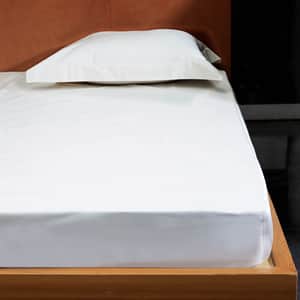 Tuscan Dreams Fitted Sheet
Starts at $260.00
Select options
This product has multiple variants. The options may be chosen on the product page
Tuscan Dreams Fitted Sheet
Starts at $260.00
Select options
This product has multiple variants. The options may be chosen on the product page
Organic Bed Sheets Made from Natural, Certified-Clean Fibers
Organic bed sheets are woven textiles used to cover a mattress and protect the sleeper from direct contact with the mattress surface. They are made from fibers grown without synthetic pesticides, herbicides, or genetically modified organisms, and processed without chlorine bleaching or chemical fabric treatments. This product category is used in residential and hospitality settings and serves people who prioritize reduced chemical exposure during sleep, skin comfort, and environmental accountability in textile sourcing.
Products in this category span several fiber types and weave constructions. Organic cotton is the most widely available, offered in percale (a crisp, matte, one-over-one weave) and sateen (a smoother, slightly lustrous four-over-one weave). Organic linen, woven from flax, is notable for its texture and heat dissipation. Silk sheets appear at the upper price tier and are valued for their temperature-regulating properties. Thread counts range broadly depending on fiber and construction type, and are not a reliable quality indicator across materials. Certifications commonly associated with this category include GOTS (Global Organic Textile Standard), which covers the full supply chain from fiber to finished fabric, and OEKO-TEX Standard 100, which tests for harmful substances in the finished product. Retail pricing in this category spans from approximately $115 for entry-level organic cotton sets to over $1,000 for fine Italian linen and high-thread-count sateen sets.
Material feel varies meaningfully by fiber and weave. Percale tends to feel cooler and crisper, which suits warm sleepers or those in warmer climates. Sateen has a softer, denser hand and retains warmth slightly better. Linen starts with a coarser texture that softens progressively with washing. Silk is lightweight and temperature-neutral but requires more careful handling. Deep-pocket fitted sheets are important for mattresses over 12 inches in profile, particularly those with toppers. Thread count labeling practices differ across manufacturers, so comparing products from different fiber categories using thread count alone can be misleading. Those with sensitive skin, allergies, or chemical sensitivities may prioritize GOTS certification, which addresses processing and dye standards in addition to fiber sourcing.
Organic cotton and linen sheets are generally machine washable in cold or warm water with a gentle, fragrance-free detergent. Tumble drying on low heat is standard; line drying reduces shrinkage and extends fabric life. Silk requires hand washing or dry cleaning. Sateen weaves can snag if washed with hook-and-loop closures. With proper care, organic cotton sheets typically last five to seven years before significant thinning occurs. Warranty coverage on sheets is uncommon, though return policies vary by retailer.
Shoppers in this category often also consider duvet covers and shams for a coordinated sleep surface, as well as organic pillow cases and pillow protectors that extend the same fiber standards to the full bedding system.